





Life skills for children and teenagers: practical ideas by age
What everyday skills do children need for real life? Explore practical life skills for children and teenagers, organised by age, with activities, home education ideas and free UK resources.
Learning how to cook a meal, manage money, catch a bus or deal with an unexpected problem might not sound as exciting as studying ancient history or exploring space. But these are the skills that help children find their feet in the world. And life skills are about far more than being able to make a cup of tea or operate the washing machine. They're also about recognising when something isn't right, knowing how to ask for help, making decisions, managing relationships and understanding the practical side of everyday life.
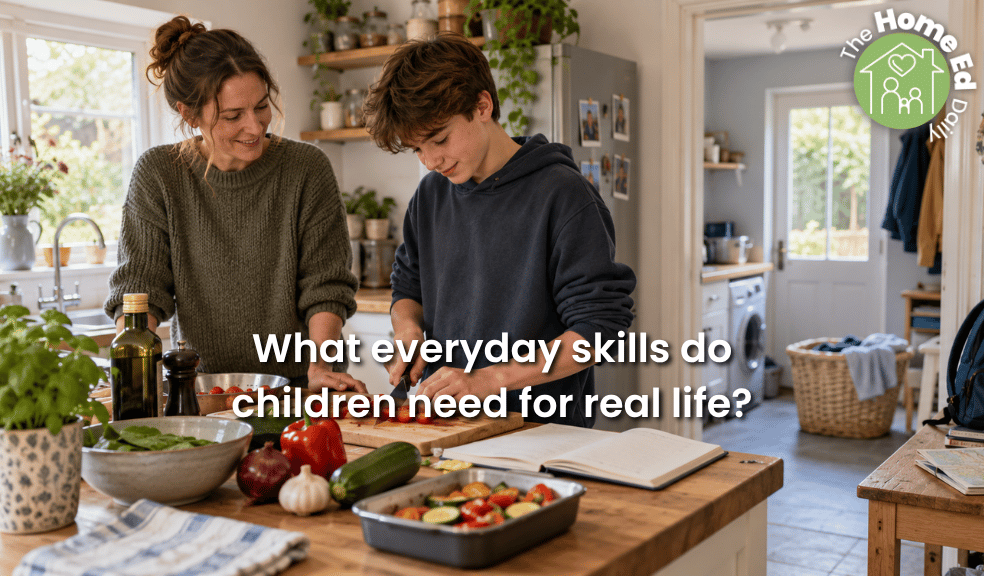
One of the real advantages of home education is that we have opportunities to explore these things as part of ordinary family life. We don't necessarily need a separate subject, a workbook or a carefully planned lesson. Sometimes the learning happens while making lunch, sorting out a problem, shopping for groceries or working out how to get somewhere.
So, what life skills should children learn, and when? Here's a practical guide, with ideas for younger children right through to teens preparing for adulthood.
What are life skills, and why do they matter?
Life skills are the practical, social, emotional and thinking skills we use to manage everyday situations. They include obvious things such as cooking, cleaning, personal hygiene and managing money. But they also involve communication, problem-solving, making informed decisions, looking after our wellbeing and dealing with other people.
Some skills make everyday tasks easier. Others help us stay safe, recognise problems or become more confident about making our own choices. They also bring together subjects that we often teach separately. Cooking involves reading, maths, science and planning. Shopping introduces budgeting, comparison and decision-making. Planning a journey involves geography, time, communication and problem-solving.
The important thing is being able to use those skills in real situations.
Life skills by age: a flexible guide
The following age groups are suggestions, not developmental targets or a checklist every child needs to complete. A child might be confidently cooking meals at ten but find using public transport difficult at sixteen. Another might be brilliant at managing money but still need help organising their laundry. That's perfectly possible, particularly when children have different learning needs, disabilities, anxiety or sensory sensitivities.
It's also worth remembering that an ability to do something isn't quite the same as being able to organise yourself to do it regularly. Use the ideas that suit your child's interests, abilities and circumstances. Revisit others when they're ready.
Life skills for ages 3–6: building everyday confidence
Young children learn an enormous amount by watching, copying, playing and helping. The aim at this stage is familiarity and participation, with plenty of adult support.
Personal care and everyday routines
-
Washing and drying their hands properly.
-
Brushing their teeth with adult help and supervision.
-
Getting dressed and putting on shoes or coats.
-
Recognising when they're hungry, thirsty, tired or uncomfortable.
-
Putting dirty clothes in a laundry basket.
-
Tidying away toys and personal belongings.
Helping around the home
-
Setting the table and putting away unbreakable dishes.
-
Pairing socks and sorting laundry by colour.
-
Washing fruit and vegetables.
-
Spreading toppings on bread or assembling a sandwich.
-
Watering plants and helping care for pets.
-
Learning how household recycling works.
Communication, money and safety
-
Recognising coins through games and pretend shops.
-
Practising greetings, taking turns and asking questions.
-
Learning their full name and, when appropriate, their address.
-
Knowing which trusted adults they can ask for help.
-
Understanding that their body belongs to them and they can say no to unwanted physical contact.
-
Beginning to name feelings and explain what they need.
Try this: Give your child responsibility for preparing a simple picnic. They can help choose the food, count what is needed, pack a bag and decide where everything should go. There's a surprising amount of learning in a sandwich and a few strawberries.
Life skills for ages 7–10: taking more responsibility
As children grow, they can begin taking ownership of familiar tasks and making more decisions. This is also a good time to practise everyday skills outside the home.
Cooking and looking after the home
-
Preparing simple meals, such as scrambled eggs, pasta or soup, with appropriate supervision.
-
Following basic recipes and measuring ingredients.
-
Understanding kitchen hygiene and why raw and cooked foods must be handled safely.
-
Washing dishes or loading a dishwasher.
-
Making their bed and changing pillowcases.
-
Learning what common laundry symbols mean.
-
Using basic cleaning equipment safely.
-
Practising simple repairs, such as sewing a button or fixing a small tear.
Money and shopping
-
Comparing prices while shopping.
-
Understanding the difference between needs and wants.
-
Paying for an item with cash and checking change.
-
Saving towards something they would like.
-
Comparing sizes, prices and quantities of everyday products.
-
Learning that digital payments involve real money, even when no coins or notes change hands.
Independence and getting around
-
Reading a clock and estimating how long tasks take.
-
Helping plan an outing using a map.
-
Recognising road signs and practising road safety.
-
Learning how bus stops, timetables and tickets work.
-
Ordering food or asking a shop assistant for help, if they feel comfortable.
-
Knowing what to do if they become separated from their family.
Digital and social skills
-
Understanding why passwords and personal information should be kept private.
-
Recognising advertising and discussing why companies want us to buy things.
-
Learning what to do when something online makes them uncomfortable.
-
Taking turns, resolving disagreements and apologising when appropriate.
-
Understanding the difference between being polite and feeling obliged to agree with someone.
Try this: Give your child a small budget and ask them to choose the ingredients for a family lunch. Compare prices, work out what they can afford and then prepare the food together. This introduces practical maths without needing a worksheet.
Life skills for ages 11–13: becoming more capable
The early teenage years are a useful time to build confidence with tasks that will eventually become part of everyday adult life. It can also help to give young people more say over which skills they want to learn.
Food and household management
-
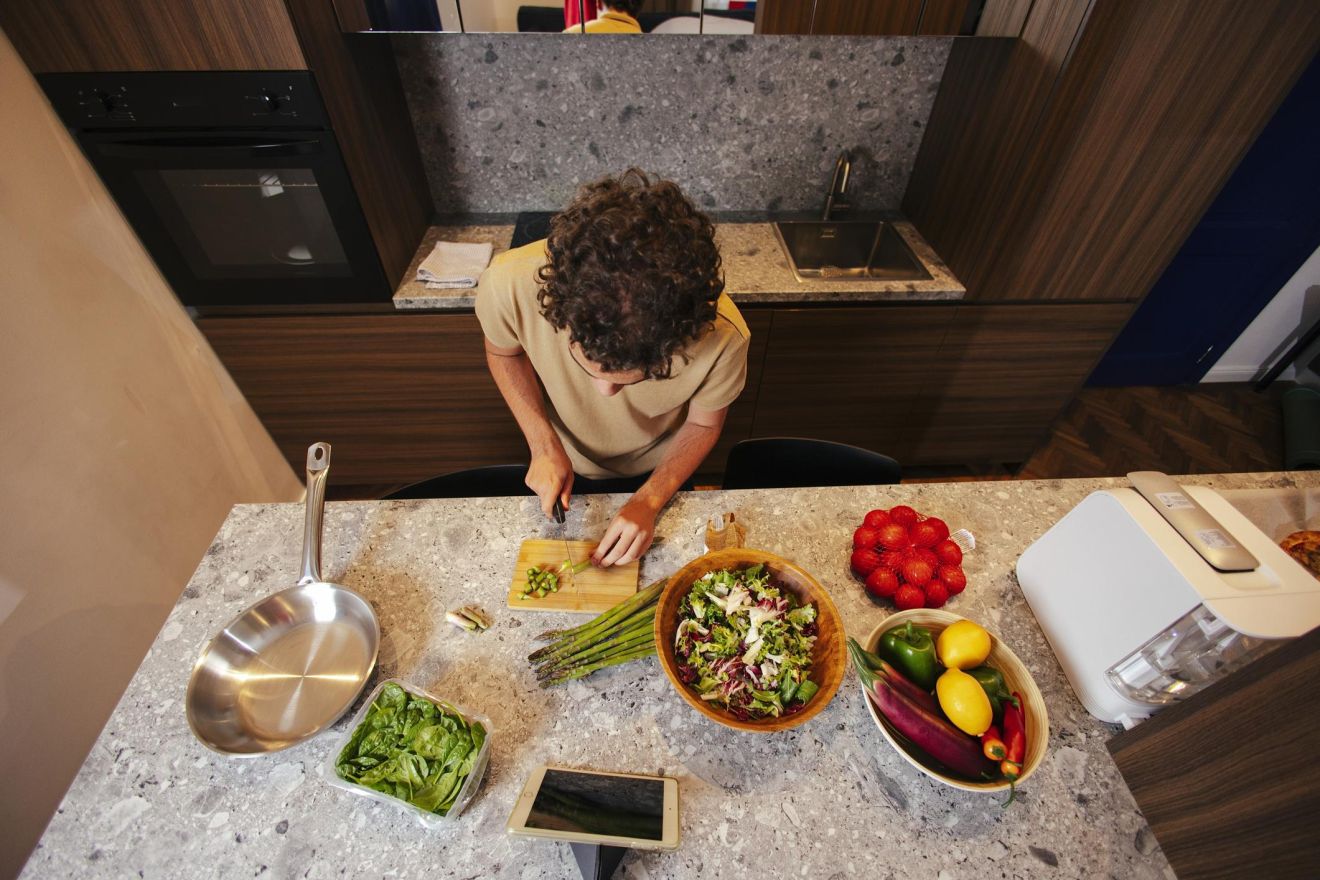
Planning, shopping for and preparing a complete meal.
-
Understanding food labels, allergens, use-by dates and safe storage.
-
Learning how to use the oven, hob, microwave and other appliances safely.
-
Washing, drying, folding and putting away their own clothes.
-
Changing bedding and understanding how to care for different fabrics.
-
Learning basic bicycle maintenance, including checking tyre pressure.
-
Using simple tools for suitable repairs and practical projects.
Money management
-
Understanding how bank accounts and debit cards work.
-
Learning about PINs, account security and contactless payments.
-
Creating a simple budget for a project or purchase.
-
Comparing subscriptions and working out their yearly cost.
-
Recognising the difference between borrowing, saving and spending.
-
Learning about in-app purchases, recurring payments and online shopping.
Travel and practical independence
-
Reading bus and train timetables.
-
Planning routes using maps or travel apps.
-
Understanding how to buy tickets and check fares.
-
Practising what to do if a bus is cancelled or they miss a stop.
-
Packing independently for an overnight stay.
-
Learning to check the weather and choose suitable clothing and equipment.
Health, communication and online safety
-
Understanding personal hygiene and changes during puberty.
-
Knowing when and how to seek help for health concerns.
-
Learning basic first aid using a recognised, up-to-date resource.
-
Understanding the difference between 999 emergencies and situations where NHS 111 can help.
-
Writing an email with a clear subject line and appropriate information.
-
Recognising phishing messages, suspicious links and attempts to obtain personal details.
-
Learning how to question online information and check whether a source is reliable.
-
Practising how to express disagreement or ask someone to respect a boundary.
Try this: Ask your child to plan a day out, including the journey, opening times, food, travel costs and what to take. Let them lead the research and planning, while you provide any help they need.
Life skills for ages 14–16: preparing for greater independence
For teenagers, life skills can become more practical and personally relevant. A young person might be thinking about college, work, volunteering, qualifications, travel or simply having more control over their daily life. There's no need to wait until they're preparing to leave home to introduce the skills they'll use as adults.
Running a home
-
Planning and cooking several affordable, balanced meals.
-
Shopping from a list while keeping within a budget.
-
Understanding basic food safety, storage and reducing waste.
-
Managing a complete laundry cycle, including reading care labels.
-
Cleaning a bathroom or kitchen safely using suitable products.
-
Identifying common household problems, such as leaks, blocked drains or mould, and knowing who can deal with them.
-
Learning how to locate the water stop tap and recognise basic electrical hazards.
-
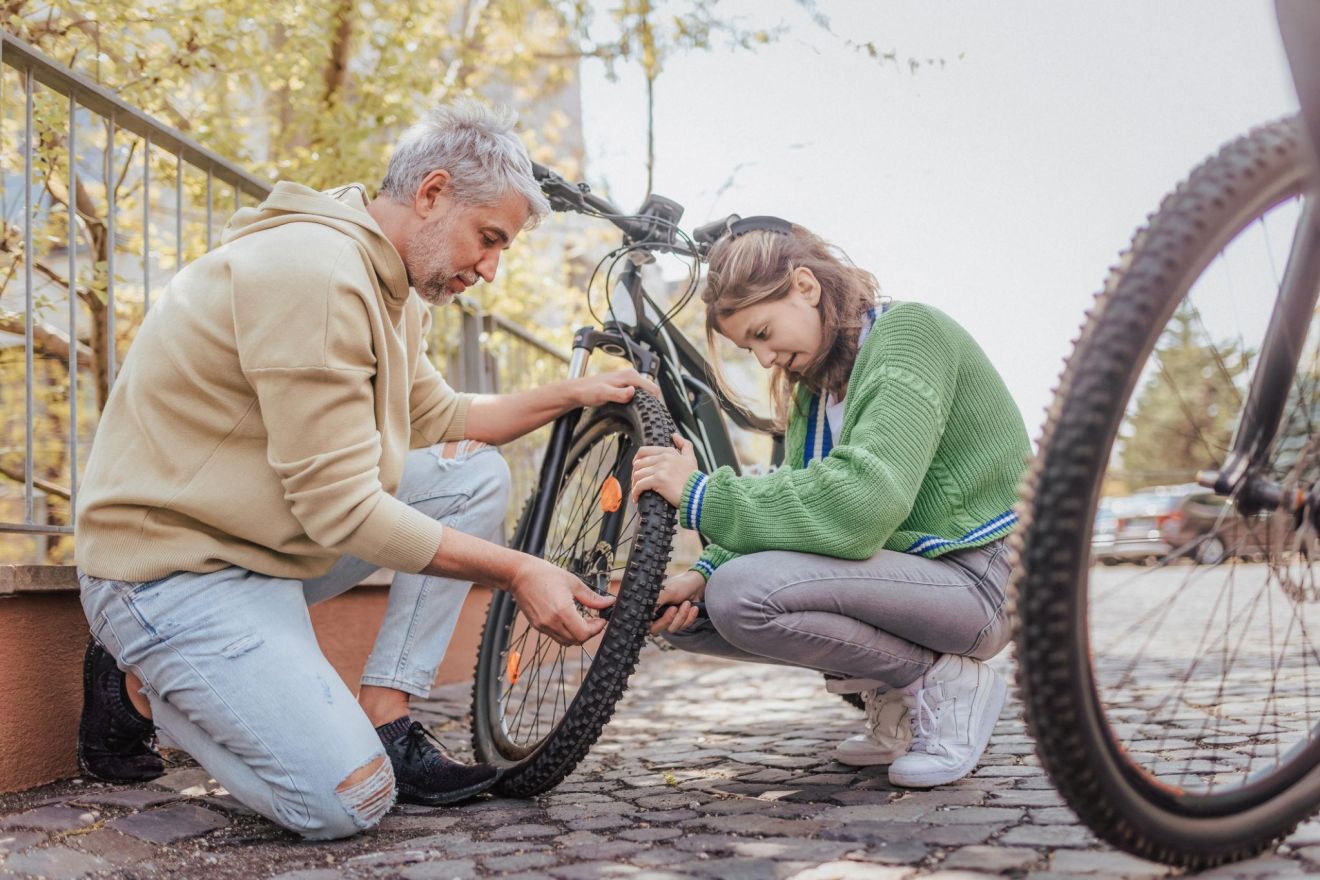
Carrying out appropriate bicycle maintenance or supervised vehicle checks.
Financial literacy
-
Opening and managing a suitable young person's bank account.
-
Understanding income, expenditure, savings and interest.
-
Reading a bank statement and checking transactions.
-
Recognising subscription traps, scams and misleading offers.
-
Understanding why borrowing money costs money.
-
Learning about wages, tax, National Insurance and payslips.
-
Comparing mobile phone contracts and other regular expenses.
-
Creating a realistic monthly budget using example living costs.
Personal administration
-
Filling in forms accurately.
-
Writing a formal email or enquiry.
-
Making or rearranging an appointment with support if needed.
-
Keeping important documents and personal information secure.
-
Writing a CV and practising how to describe their strengths.
-
Understanding how to seek help when something has gone wrong with a purchase or service.
Digital independence
-
Creating strong, unique passwords and using two-step verification.
-
Understanding account recovery information and backup methods.
-
Recognising suspicious messages, fake websites and online fraud.
-
Managing privacy settings and digital footprints.
-
Thinking critically about AI-generated content, edited images and misleading information.
-
Understanding consent when sharing photographs, messages or somebody else's personal details.
Relationships, safety and wellbeing
-
Recognising healthy and unhealthy behaviour in relationships.
-
Understanding consent, personal boundaries and respect.
-
Learning how to handle disagreement without feeling pressured to conform.
-
Identifying signs of stress and recognising when support might help.
-
Understanding their rights and responsibilities in everyday situations.
-
Practising how to ask for help from an unfamiliar professional or service.
Try this: Challenge your teenager to plan five evening meals within a realistic budget, using supermarket prices. They can calculate costs, write a shopping list, check what is already in the cupboards and prepare one or more of the meals. It's practical maths, nutrition, organisation and problem-solving in one project.
Life skills for ages 16–18 and beyond: navigating adult life
As young people approach adulthood, it's worth looking beyond individual household tasks to the bigger systems they'll need to understand. Whether they're moving into employment, further education, training, self-employment or something else, having some experience of these things can make unfamiliar situations easier to manage.
Money, employment and housing
-
Understanding a payslip, gross pay, take-home pay and deductions.
-
Knowing what a National Insurance number is and how to find it.
-
Understanding basic employment rights and workplace expectations.
-
Comparing rent, deposits, household bills and everyday living costs.
-
Learning how council tax, utilities and insurance work.
-
Understanding standing orders, Direct Debits and recurring subscriptions.
-
Knowing the difference between debit cards, credit cards and loans.
-
Recognising scams involving jobs, accommodation, banking and online marketplaces.
-
Understanding consumer rights, refunds and how to make a complaint.
Independent living
-
Planning meals and groceries for a week within a budget.
-
Using household appliances safely and understanding their running costs.
-
Organising appointments, transport and essential paperwork.
-
Understanding how to register with a GP and access healthcare.
-
Reading basic contracts and knowing when to seek advice before agreeing.
-
Managing important documents, account access and password recovery.
-
Handling common practical problems, such as a missed delivery, lost bank card or cancelled journey.
Planning, relationships and personal wellbeing
-
Breaking a complicated task into manageable steps.
-
Making decisions after comparing options and possible consequences.
-
Recognising manipulation, coercion and unreasonable pressure.
-
Communicating with employers, landlords, public services and other organisations.
-
Understanding when a situation needs specialist advice.
-
Balancing commitments, social life, work and rest.
-
Recognising personal limits and asking for appropriate support.
Try this: Create a realistic first-home budget together. Research the cost of renting a room or small property in your area, then add groceries, electricity, heating, broadband, transport, insurance and other regular expenses. Compare the total with an example take-home wage. It's an eye-opening exercise, and not just for teenagers.
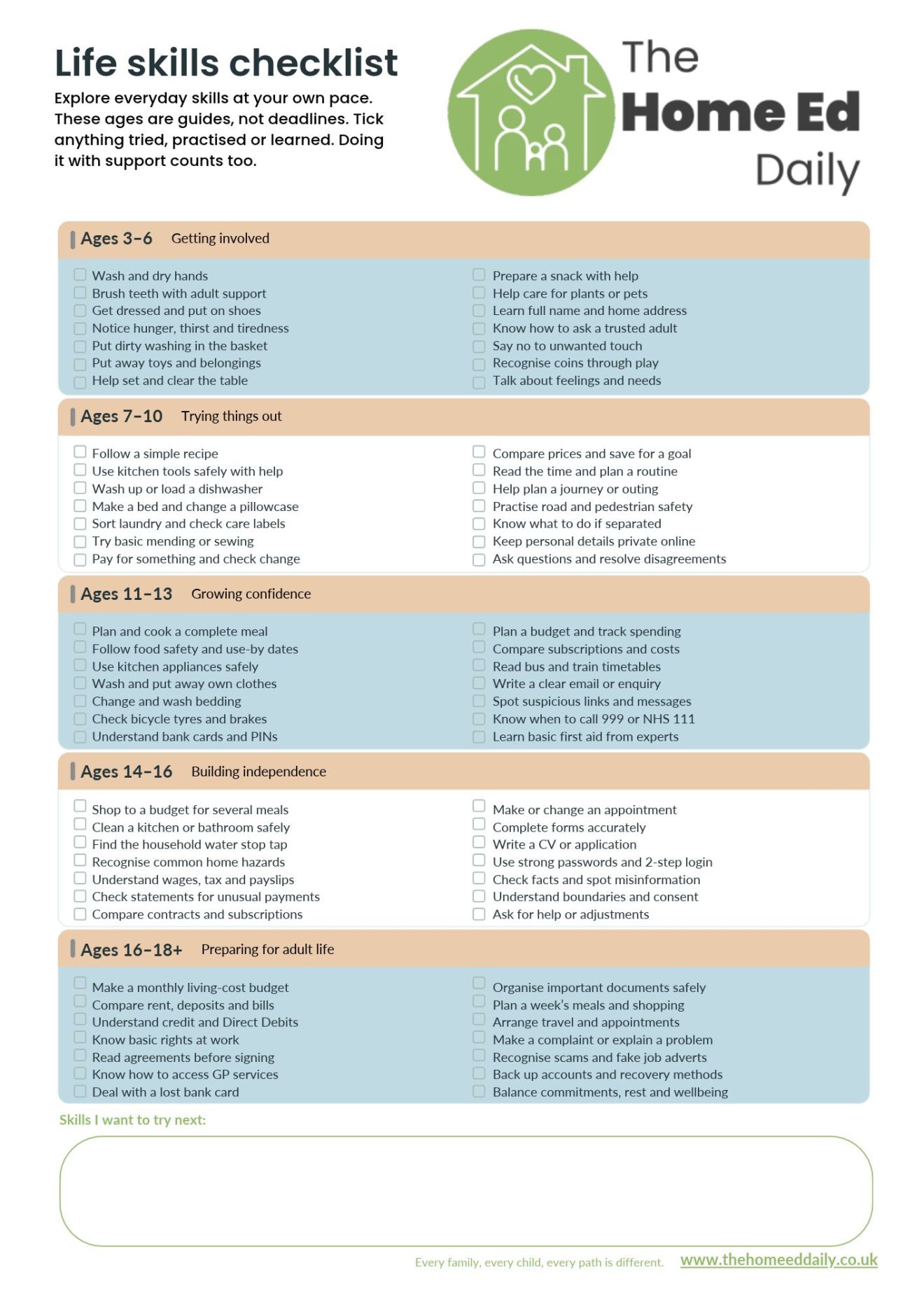
Free printable life skills checklist: Download our A4 checklist featuring 70 practical life skills for children and teenagers aged 3–18+, covering cooking, money management, personal care, online safety and everyday independence.
The life skills we sometimes overlook
When we think about preparing children for adulthood, it's easy to concentrate on the visible things. Can they cook? Do laundry? Manage money? Catch a train? But there are other skills that can be harder to measure and every bit as important.
Knowing how to ask for help
Nobody knows how to do everything, and adults ask for help all the time. Knowing who to contact, how to explain a problem and how to recognise when a situation is beyond your knowledge is a valuable form of independence.
Recognising when something isn't right
This might mean spotting a scam, questioning an unlikely claim, recognising inappropriate behaviour or realising that a contract isn't what it first appeared to be. Young people need opportunities to practise making judgements, not simply memorising rules.
Dealing with unexpected problems
The bus doesn't arrive. The recipe fails. A delivery goes missing. The instructions don't make sense. Learning to pause, consider options, make another plan or ask for assistance is an important skill in its own right.
Communicating needs and boundaries
Being able to say no, explain a preference, ask for an adjustment or tell somebody that something feels uncomfortable can make a significant difference to a young person's wellbeing. And communication doesn't have to be face-to-face. An email, text message, communication aid or written note may work better for some people.
Knowing how to look after yourself
Rest, boundaries, personal safety, friendships, emotional awareness and recognising when to seek support all belong in a conversation about life skills. Independence shouldn't mean pushing through every difficulty alone.
How to teach life skills through home education
The good news is that you probably don't need to add another subject to your home ed plans. Everyday life provides plenty of opportunities.
Involve children in real decisions. Talk through what you're doing when you compare supermarket prices, book tickets, organise an appointment or deal with a household problem. Let them watch first, then try alongside you. Gradually give them more responsibility when they're comfortable. And give them a chance to get things wrong, provided the consequences are safe and manageable. An imperfectly folded duvet isn't a problem. Nor is a meal that doesn't turn out quite as expected.
It's also worth letting children choose which skills are useful to them. A teenager interested in photography might enjoy learning how to price their work, communicate with a customer and prepare an invoice. Someone interested in animals might prefer taking responsibility for researching and organising pet care. There are plenty of ways to reach the same learning goals.
What about children who need more support?
Life skills are particularly important to consider thoughtfully when a child has additional needs, but that doesn't mean independence must look the same for everyone. Some children benefit from visual instructions, checklists, reminders, demonstrations, accessible equipment or another person working alongside them. Others may learn a task quite easily but struggle to begin it, remember the steps or repeat it consistently. The goal isn't necessarily to remove all support. It's to help the young person understand their needs, develop useful skills, make choices and access appropriate help.
And there isn't a deadline. We all continue learning practical skills throughout adulthood.
Free UK resources for teaching life skills
There are some excellent resources available if you'd like ideas, guidance or a more structured approach. Our Home Education Extras page lists lots of them.
Life skills don't have to be another thing on your to-do list
It's easy to look at a long collection of life skills and feel that there's an enormous amount to cover. But children don't need to learn everything at once, and there's no particular age at which someone suddenly becomes fully independent. What matters is giving young people opportunities to practise, make choices, build useful knowledge and discover what works for them.
Some of that learning will happen through planned activities. Much of it will happen through ordinary life, often without anybody thinking to call it education. And perhaps one of the most useful things we can teach children is that being capable doesn't mean knowing all the answers. It means having the confidence, knowledge and support to work out what to do next.
Life skills FAQs
What are the most important life skills for children?
Important life skills include personal care, cooking, managing money, communication, problem-solving, online safety and knowing how to ask for help. As children grow, these can develop into budgeting, travelling independently, managing appointments and understanding everyday responsibilities.
How can I teach life skills through home education?
Involve children in everyday activities such as cooking, shopping, planning journeys, managing money and completing practical tasks. Start by demonstrating, then practise together and gradually offer more responsibility. Many life skills can be learned naturally through family and community life without formal lessons.
What life skills should a 15-year-old learn?
Useful skills for teenagers include preparing meals, doing laundry, budgeting, using public transport, recognising scams, communicating with organisations and understanding basic first aid. However, these are suggestions rather than fixed milestones. A teenager's readiness will depend on their abilities, interests, circumstances and support needs.