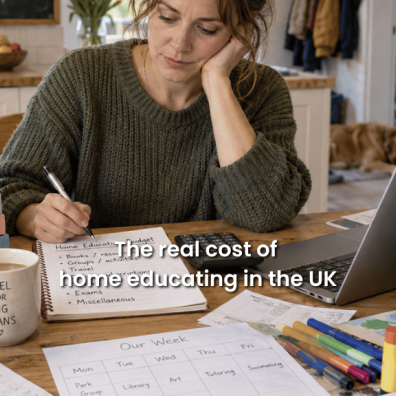
The real cost of homeschooling in the UK, from books, groups and days out to tutors, GCSE exams, travel and the income families may give up.
One of the first practical questions families ask about home education is also one of the hardest to answer properly: how much does it actually cost? You will find wildly different answers online. “Almost nothing.” “About £800 a year.” “Thousands.” All...
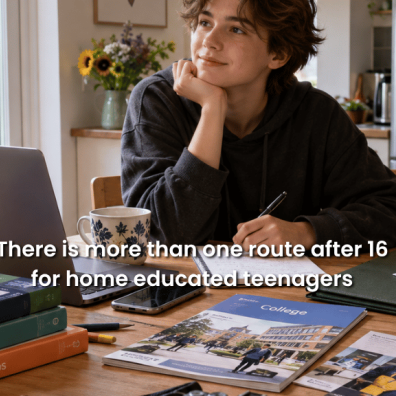
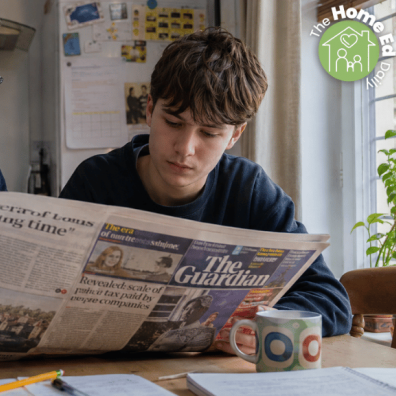
College, apprenticeships, qualifications and other routes. A practical guide to post-16 options for home educated teenagers in England, including college, A levels, vocational courses, apprenticeships, Functional Skills, work and continuing home education.
One of the worries that creeps in as home educated children become teenagers is what happens at 16.
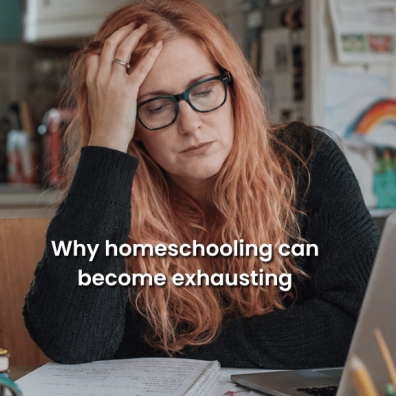
Home ed burnout: when you’re tired of being responsible for everything. Why homeschooling can become exhausting, even when you still know it’s right for your family
There are plenty of articles about starting home education . How to deregister. What resources to buy. How to find groups. How to reassure worried grandparents that your child won’t spend the next ten years feral in a hedge....
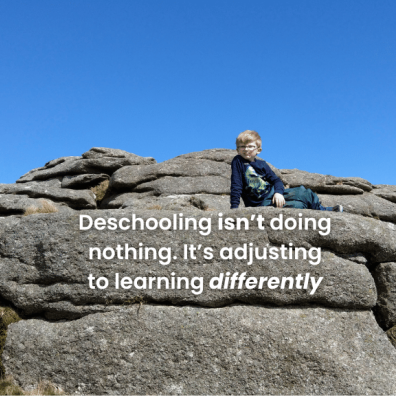
What is deschooling? For us, it meant giving our son room to breathe before working out what home ed would become. Leaving school is a big adjustment for children and parents. Deschooling gives families time to find a different rhythm, rediscover how their child learns and work out what home education might actually look like.
You’ve sent the deregistration letter. Your child is home. And...
September has a strange amount of power. The shops fill with uniform, lunchboxes and stationery. Social media fills with first-day photographs. Conversations turn to new teachers, new classrooms and the question every child seems to be asked in August: “Are you looking forward to going back?” And if your child isn’t going back, it can feel as...
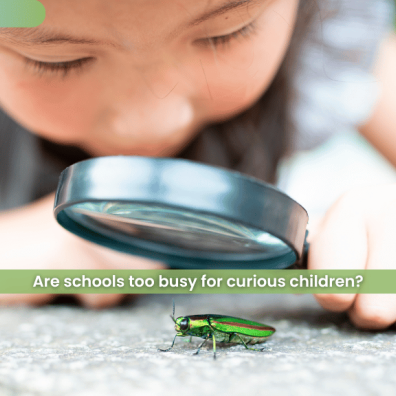
How home education can help children start asking questions again
A recent article by Katy Purviance on Substack caught my attention because it puts words to something many families have felt for years: some children do not lose their curiosity because they grow out of it. Sometimes they learn that curiosity is inconvenient.
One line from the article stayed with me. Researcher Susan...
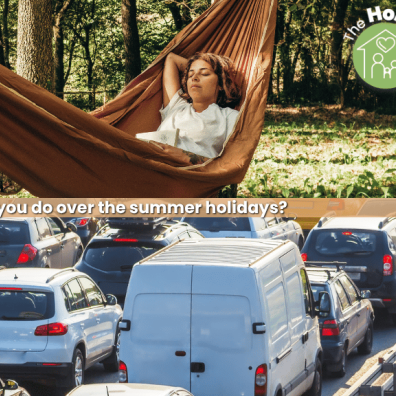
When the school term ends, home education can take its own shape
End of term is almost upon us. For many families, this time of year brings a noticeable shift. School routines are winding down. Clubs and regular groups may be pausing for the summer. Exams are coming to an end. The long stretch of July and August is starting to appear on the horizon. For home educating families, summer can...
Childism, adult power, home education, politics, and why children deserve respect before they become adults.
There is something deeply uncomfortable about the way society talks about children.
We say they are precious. We say they are the future. We say they matter more than anything. Then we complain when they exist too loudly in public. We tell them to sit still, be quiet, fit in,...
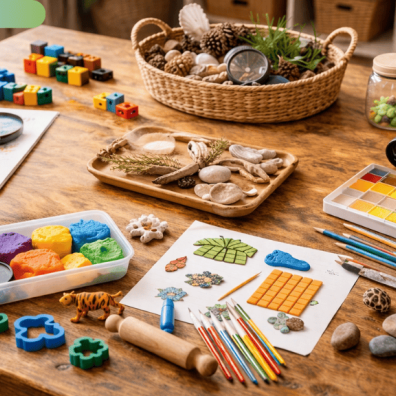
One of the loveliest things about home education is that learning does not need to look formal to be meaningful. Some of the richest learning begins quietly, with something small left within reach and a child free to notice it in their own time.
That is where strewing comes in.
Strewing is a gentle, low-pressure way of inviting curiosity....
Morning baskets have become a popular part of home education for many families, but they can look very different from one home to another. That is partly why they can be hard to define neatly.
At heart, a morning basket is simply an intentional way to begin the day together. It gives families a chance to gather, slow down, and share a few...