




What do home educating families do over the school summer holidays?
When the school term ends, home education can take its own shape
End of term is almost upon us. For many families, this time of year brings a noticeable shift. School routines are winding down. Clubs and regular groups may be pausing for the summer. Exams are coming to an end. The long stretch of July and August is starting to appear on the horizon. For home educating families, summer can feel a bit different.
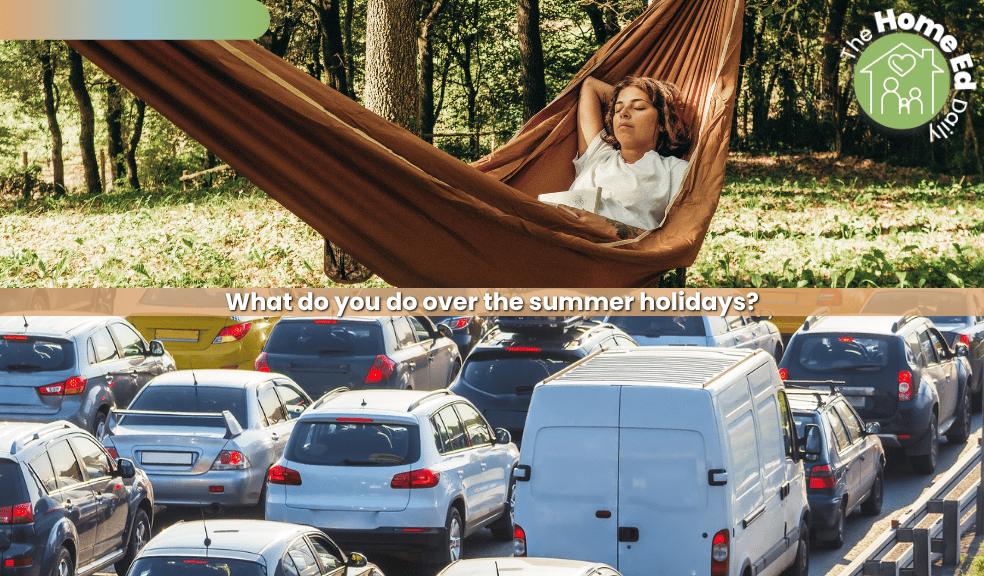
We are not always tied to the school calendar in the same way, but we still feel the change around us. Parks get busier. Museums fill up. Beaches become harder to park near. Term-time discounts disappear. Everywhere seems to involve more queues, more traffic, and more people carrying melted ice creams with quiet determination.
So what do you do when the summer crowds arrive?
Do you pause for the summer?
Some home ed families take a proper summer break. After a busy year of groups, trips, classes, projects, exams, or simply the emotional work of family life, a slower few weeks can be very welcome. The end of exam season in particular can bring a strange mix of relief, tiredness, uncertainty, and decompression.
For children and young people who have been working towards GCSEs, IGCSEs, A levels, functional skills, portfolios, or other goals, summer may not feel like a bright, instant celebration. It can take time for everyone’s nervous system to realise the pressure has lifted.
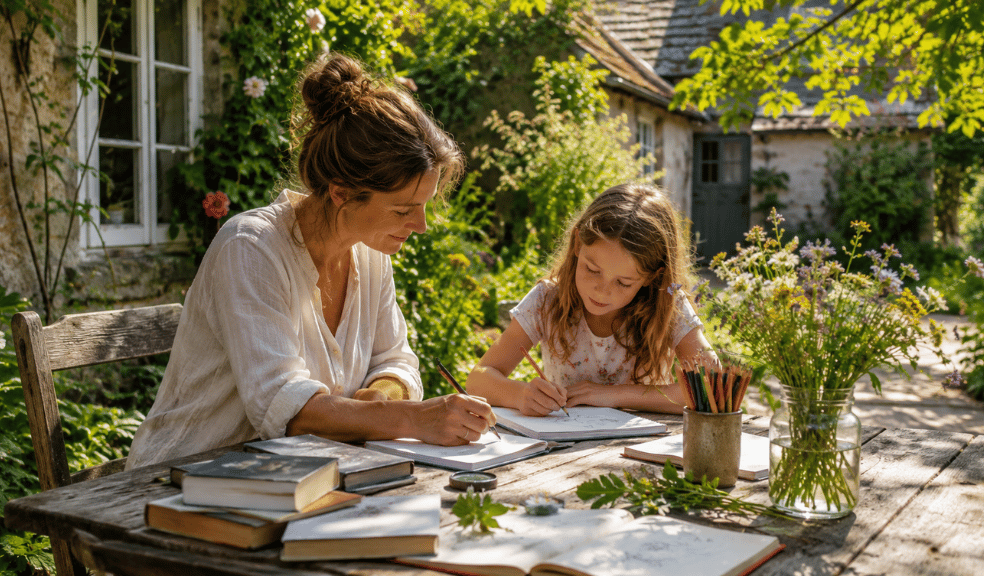
A summer pause might look like late mornings, garden days, more time outdoors, fewer plans, and a bit of breathing space. It might mean saying no to extra commitments for a while. It might mean letting children sleep, read, game, swim, potter, draw, cook, build things, see friends, or do very little. That can still be a valuable season.
Or do you keep going?
Other families carry on much as usual. For many home educating families, learning does not sit neatly inside term dates anyway. A child who is deep in a project, obsessed with a topic, preparing for an exam, or enjoying a regular rhythm may not want to stop just because schools have broken up.
Summer can be a brilliant time for interest-led learning. There are longer days, warmer evenings, more festivals, outdoor theatre, wildlife walks, beach trips, camping, local history visits, pond dipping, gardening, stargazing, and time with extended family. Learning may become less formal, but it often becomes richer, messier, and more alive. A day at the beach can involve geology, tides, marine life, sketching, map reading, weather, photography, swimming, and the serious science of whether chips taste better outside.
What happens when everywhere gets busy?
Here in Devon, where the locals call tourists “Grockles”, summer can be a lot. The beaches fill up. The roads get jammed. The car parks become tactical missions. Places that feel peaceful usually can suddenly become very loud, very expensive, and very full.
For that reason, we often stay closer to home during the busiest weeks, epecially as we struggle with crowds. That might mean pottering in the garden, going out early or late, walking somewhere local, visiting quieter places, or saving the bigger trips for September when the crowds thin out again and everywhere breathes a little.
There is something lovely about reclaiming the small places. The shady lane. The stream. The library. The patch of garden where the bees are busy. The local woodland that most visitors miss because it is not on a glossy “top ten” list.
Not every summer memory has to involve a big day out.
Making use of the season in your own way
One of the strengths of home education is that families can shape the year around real life. For some, summer is a time to slow down. For others, it is a time to be out in the world.
Some families use the school holidays to meet up with schooled friends, cousins, neighbours, or relatives who are harder to see during term time.
Some families avoid popular attractions until September.
Some carry on with maths, reading, projects, online classes, or exam prep because that steady rhythm works better for their child.
Some have children who need predictable routines all year round, while others need a complete change of pace.
Some parents are juggling work, younger children, older teens, finances, health, caring responsibilities, or the simple fact that summer can be expensive.
There is no single “right” home ed summer. There is only the rhythm that works for your family in this season.
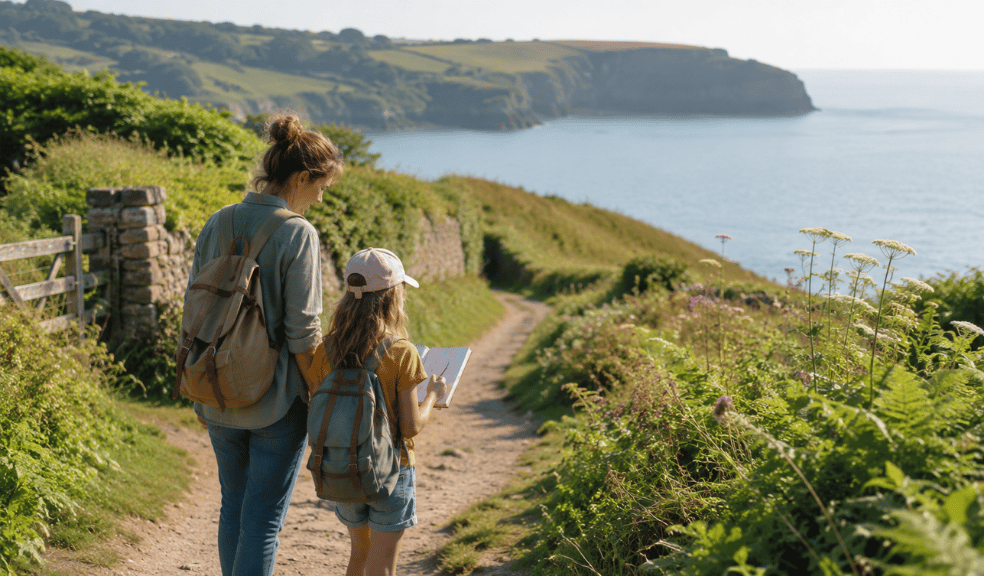
Simple summer ideas for home educating families
If you are looking for gentle ideas, here are a few that do not need to become a big performance.
- Try an early morning beach or woodland walk before the crowds arrive.
- Keep a summer nature notebook, with drawings, pressed flowers, weather notes, feathers, leaves, or tiny observations.
- Visit local places at quieter times, such as late afternoon or early evening.
- Make a “September list” of busy places you want to visit once schools go back.
- Create a low-cost summer jar with ideas such as library trip, homemade ice lollies, picnic tea, night walk, charity shop clear-out challenge, paddling pool afternoon, or garden camping.
- Let children choose one small thing they want to learn, make, try, or finish before autumn.
- Have a post-exam recovery week with very few expectations.
- Plan meet-ups in simple places where nobody has to spend much.
- Follow a child’s passing interest, whether that is moths, football, animation, ancient Egypt, baking, coding, wildflowers, or how to make the perfect toastie.
- And, just as importantly, leave space for nothing much. Children often need empty time before the next good idea appears.
What does summer look like for your family?
I’d love to hear how other home educating families approach this time of year.
- Do you pause for summer, keep going, hide from the crowds, embrace the chaos, or do something else entirely?
- Do you use the school holidays to see friends and family?
- Do you have a child coming out of exam season who needs time to recover?
- Do you save bigger trips for September?
- Or do you love the noise, energy, festivals, beach days, and busyness of it all?
Share your summer survival tips, favourite quiet places, low-cost ideas, home days, exam-season recovery rituals, or anything you have learnt over the years. You can comment on my Facebook post here.
As always, different families do this differently. That is often the most useful thing to hear.
Gentle summer learning from Dartmoor Kin
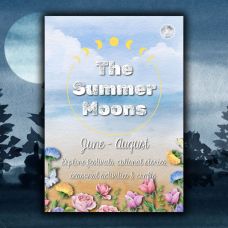
If you’d like some simple, seasonal ideas to carry through the summer, I also create nature-based printable downloads through my separate project, Dartmoor Kin. The summer packs are designed for families who enjoy folklore, nature study, moon watching, crafts, poetry, art, seasonal traditions, and gentle learning that does not feel like a timetable. They can be used slowly over the warmer months, dipped into on quiet home days, taken outside, or saved for those moments when you want a bit of structure without turning summer into another thing to manage.
You can find the Dartmoor Kin summer downloads here: www.dartmoor-kin.co.uk